
Car Assistance Programs
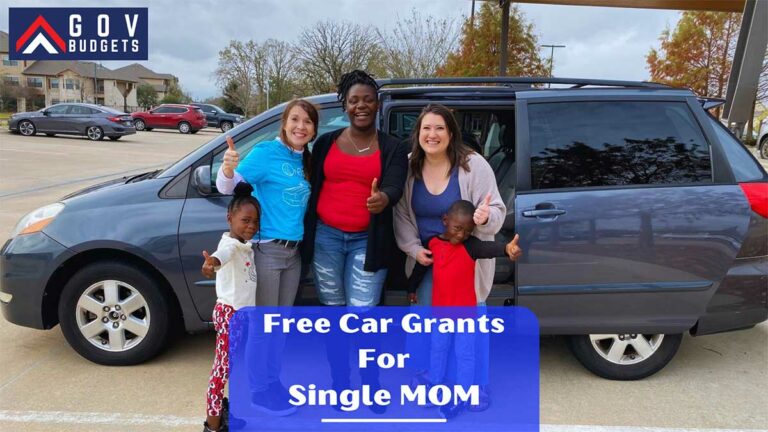
There is no federal “free car” program, but there are real ways to get a vehicle or keep the one you have when money is tight. Most help comes from three sources: nonprofit charities that give away donated cars, state and county programs that fund a car for people going back to work, and hardship options from lenders when you are behind on payments.
Charities such as 1-800-Charity Cars, Good News Garage and Vehicles for Change give donated cars to families who can show a job, a job offer or a medical need for transportation. Single moms, veterans and people leaving domestic violence situations are often given priority. Wheels-to-Work style programs run by state workforce agencies and TANF offices offer low-cost cars or car loans tied to employment.
If you are facing repossession, you have more options than most people think: reinstating the loan, a voluntary surrender to limit fees, or a hardship deferment from the lender. Acting before the car is taken matters, because fees pile up fast afterwards.
Each guide here explains one path in detail: who qualifies, what documents you need, and how long it usually takes.
End of content
End of content